
College Student Urges More CPR Training After a Medical Emergency
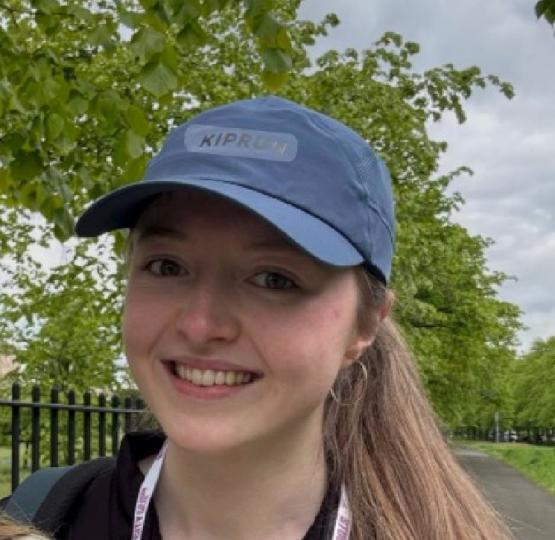
During a Higher Biology exam in Glasgow, 23-year-old Sports Therapy student Rachel Kerr found herself responding to a medical emergency, relying on the training she had built up over years of study.
Two students ran from a room asking for help, after a man had collapsed inside. While many people froze in shock, Rachel says her focus immediately turned to the CPR and emergency response training she had practised throughout her studies at City of Glasgow College.
“I just remember thinking: what do I need to do first?” she said.
Rachel began CPR while others gathered around and emergency services were contacted. A defibrillator was brought in, and the person became responsive again before paramedics arrived. Rachel was keen to stress that several other women in the room also stayed to help throughout the emergency, assisting where they could and helping ensure the defibrillator was brought quickly to the scene.
Now reflecting on the experience, Rachel doesn’t see herself as a hero. Instead, she believes the incident shows how important it is for ordinary people to learn basic first aid and trust themselves to step forward when somebody needs help.
“Most people were frozen, they didn't know what to do,” she said. “I think seeing that made me realise I needed to do something.”
For Rachel, the experience reinforced something her lecturers had emphasised throughout her Sports Therapy course: confidence in an emergency comes from preparation and repetition, not from being fearless.
“It shows how important first aid training is,” she said. “Even basic knowledge can make a difference.”
Across the UK, more than 30,000 out-of-hospital cardiac arrests happen every year, yet fewer than one in 10 people survive. Although bystander CPR is attempted more often than in previous years, many people still lack the confidence to intervene in an emergency.
Rachel believes that confidence gap can be changed through education.
“If you’ve done your training, trust it,” she said. “And if you haven’t, learn it. It doesn’t take long, and one day it could help save somebody’s life.”
She credits the Sports Therapy department at City of Glasgow College for preparing students not just physically, but mentally, for high-pressure situations. CPR and first aid training are built throughout the course, with students repeatedly practising chest compressions, defibrillator use and realistic emergency scenarios.
“CPR is something the lecturers really care about because they know how important it is,” Rachel said.
She particularly praised lecturer Liam Smyth and the wider teaching team for the emphasis they place on staying calm and responding quickly.
“You might be the only person there who can help,” she explained. “You have to be ready for that.”
Rachel says the practical nature of the training helped her most. Students are taught how physically demanding CPR can be and practise repeatedly on mannequins designed to simulate real emergencies.
“It's not just theory; it's knowledge that allows you to act in an emergency.”
The incident also strengthened her belief in the importance of publicly accessible defibrillators, which are still used in only a small percentage of cardiac arrest cases in the UK despite their proven ability to improve survival chances.
“Defibrillators save lives,” Rachel said. “They’re absolutely worth having.”
Despite the emotional impact of the day, Rachel later returned to finish her exam. She now hopes to continue her studies and eventually progress into Physiotherapy at Glasgow Caledonian University.
More than anything, she hopes people take one lesson from her experience: helping in an emergency is not about being extraordinary, just about having the confidence to act.